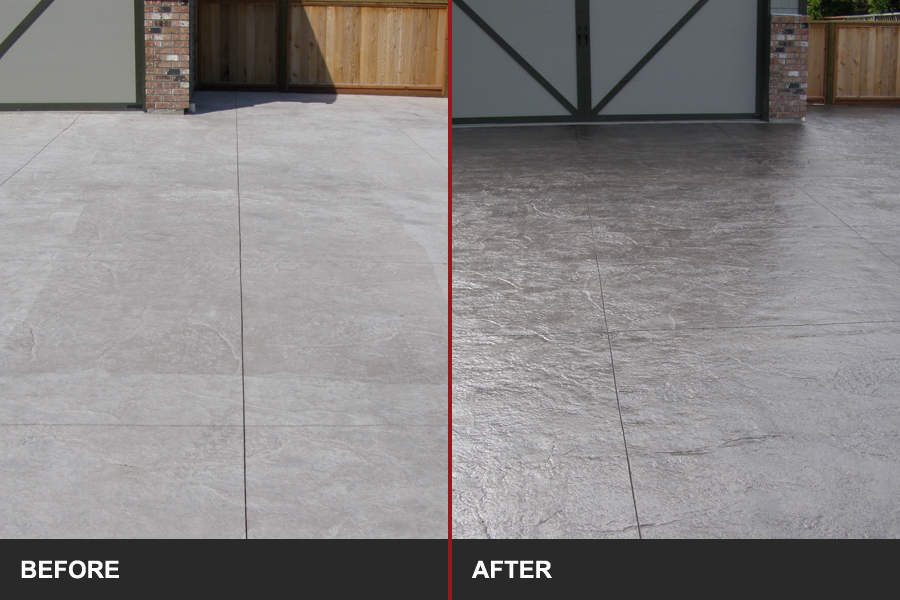
Residential Concrete Restoration Services
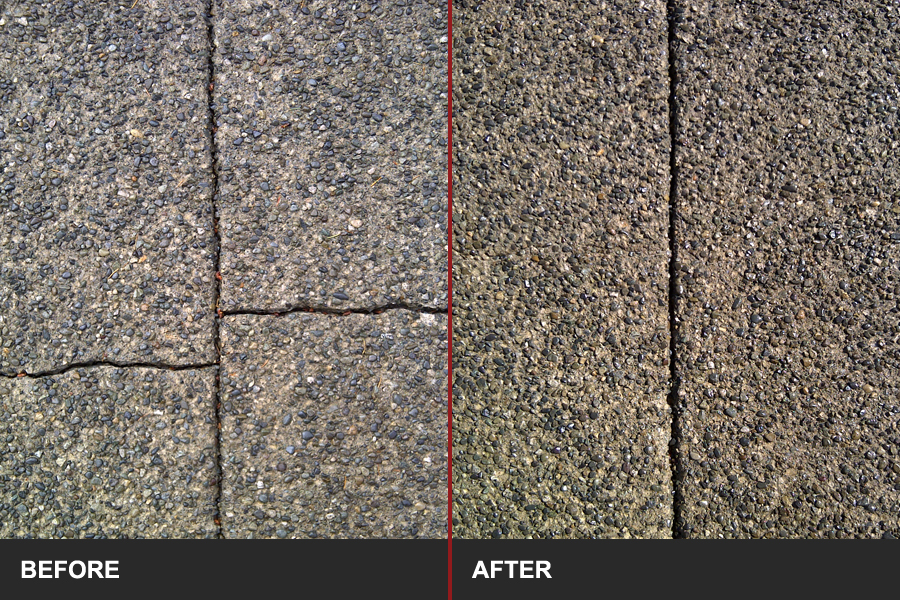
concrete crack before and after

Concrete Crack Restoration Services on Vancouver Island

At Concrete Corrections, we carry out all types of concrete repair across Vancouver Island, from way up north down to Nanaimo plus Gabriola, Denman, Hornby, Lasqueti, Quadra, and Malcolm Island.

If you’re a homeowner on the Island, there’s a good chance you’ve got concrete on your property. From walkways to driveways to pool decks, these concrete areas are susceptible to problems over time. Along with concrete used in the structure of your home, these areas tend to crack, allowing water to leak through.

At Concrete Corrections, we not only repair your concrete cracks but in most cases can make the repair seem almost invisible. Have one of our associates come and give you an estimate to fix your concrete cracks and beautify your space at the same time.
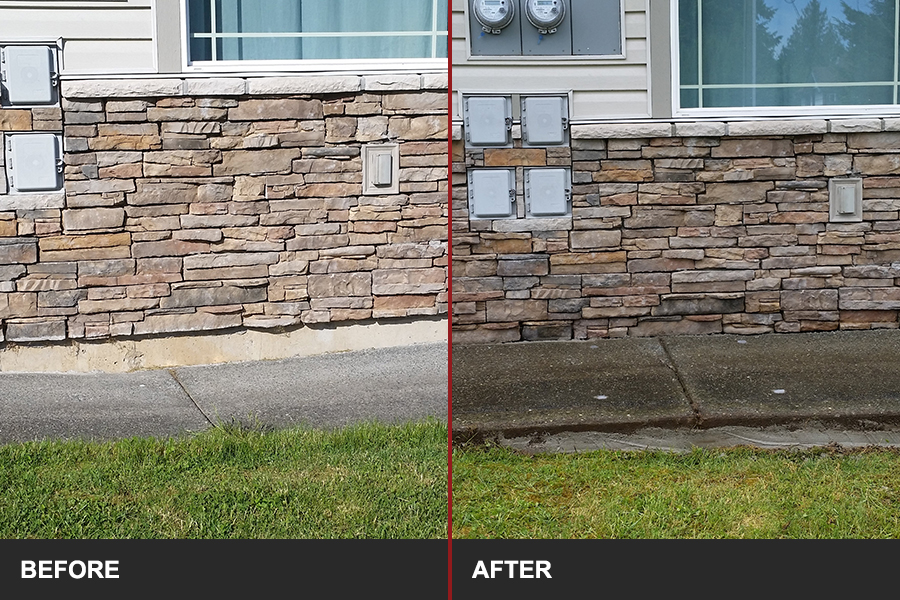
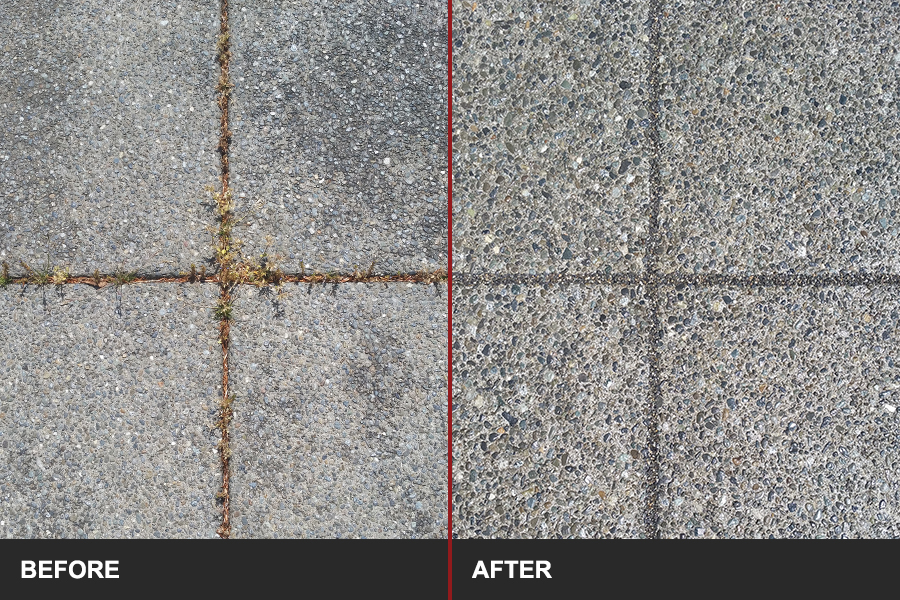
Are You Dealing with Sunken Concrete?

You may notice that some of the concrete on your property has been sinking over time. This is quite common – after all, concrete is heavy. One of the main reasons you may be experiencing sunken concrete is because of the soil below it. As the soil solidifies and shrinks, it pulls the concrete down with it. This problem could also be cause by the type of soil used on your property, or the ‘washout’ of soil, which happens when excess water passes beneath your concrete.

The Concrete Levelling & Lifting Solution: Slab Jacking

Sometimes known as ‘mudjacking’, slab jacking is a concrete restoration method used to repair damaged concrete without the need for total replacement. It involves injecting concrete lifting materials through small holes in a slab to slowly raise is and re-align the surface. Learn more about slab jacking.

Call us or complete our contact form to arrange an estimate for our concrete levelling and lifting services. And if we can’t solve your problem, we’ll help by referring you to someone reliable and local who can.

We also offer the following services:

  • foundation repairs including: cracks, active leaks, deterioration
  • repairs and reforming of broken, deteriorating and damaged concrete
  • leveling of sunken concrete (slab jacking)

View the residential before & after photo gallery or contact us for an estimate:

It makes sense to maintain your concrete and avoid the substantial expense and hassle of replacing it after it becomes damaged. For concrete, sealing is a good preventative action to help prevent stains and damage from freeze/thaw as well as environmental hazards.

All types of concrete can be sealed with several different types of sealant to choose from. Even the mostly overlooked garage floor is a great candidate for protection. Your garage floor takes most of the punishment during winter months because your car drops salt and debris collected from the road and deposits it on the concrete where it attacks the surface often resulting in pitting, chalking, and flaking. If you own a vehicle that leaks oil you know how hard it is to clean off after a winter of leaking, even with a good pressure washer.

One popular type of finish for garage floors are epoxy based products that come with a very long service life and are available in many colours and can be installed with a grip surface to dramatically improve traction when wet. This type of finish is resistant to all oils, battery acid, brake fluids and of course salt.

You can help maintain concrete by shoveling the snow from your driveway, sidewalk and steps. By keeping the snow cleared, these is less chance that it will compact down freezing into the surface and accelerate the freeze/that cycle. The less number of times that water enters concrete and freezes, the less likely that it will become damaged. Use a plastic shovel instead of a metal one. Bent/sharp corners of a worn metal shovel can damage the surface of certain types of concrete.

The short answer is NO. Salt is very corrosive to concrete and will eventually, if not immediately, cause damage to many types of concrete.

There are four primary types of deicing salts that all have different characteristics and are each designed to work in certain temperature ranges.

  1. The most common deicing salt is regular rock salt or sodium chloride. It is widely available and can melt snow and ice until the temperature drops below -8 C. Below these temperatures the rock salt stops melting snow and ice. Rock salt also releases the highest amount of chloride ions when it dissolves. Chloride can pollute water ways, rivers, lakes, and can also cause metal to corrode.
  2. Calcium Chloride is another deicing salt that is commonly marketed in tiny white pellets. It can melt snow and ice well below -17 C. It can cause skin irritation if your hands are moist when using it and will chemically attack concrete.
  3. Potassium Chloride is another deicing salt that is now available. It is not a skin irritant and will not harm vegetation but will only melt ice and snow when temperature is above -9 C.
  4. The newest deicing salt is Magnesium Chloride. It will continue to melt snow and ice well below -25C. This salt releases about 40 percent less chloride into the environment than either rock salt or Calcium Chloride. It can be less damaging to concrete surfaces of unknown or questionable quality.

The common property of all different types of deicers is that they all seem to have the potential to damage concrete and some are harmful to the environment. Another potential problem with using a deicer of any kind is the damage caused by increased freeze/thaw cycles. For example, when a product rated for -9 C melts snow and ice, it will enter the pores of the concrete as salty water. When the temperature drops below the rated temperature for that particular salt it can refreeze and expand in the pores of the concrete causing damage. Many types of salt deicers are marketed as “Environmentally Friendly”. Be careful when using these products and read the directions carefully.